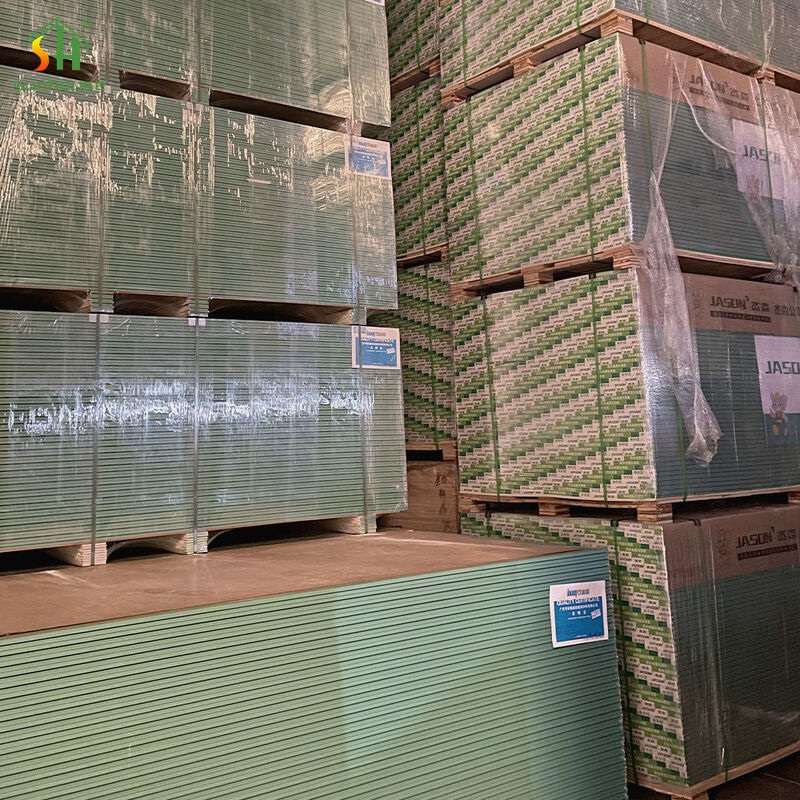
|
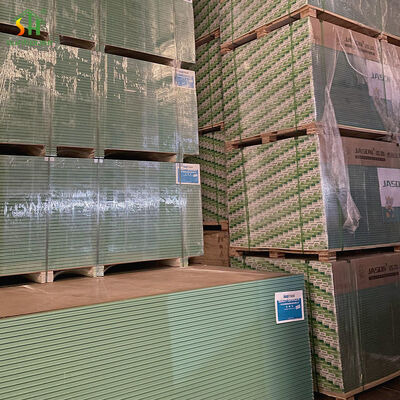
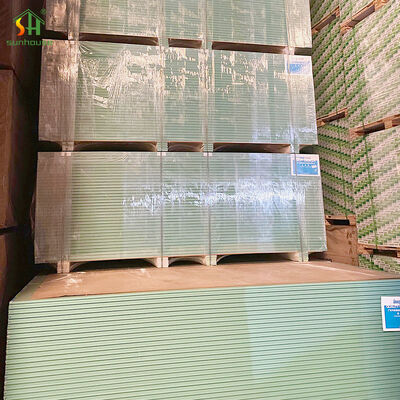
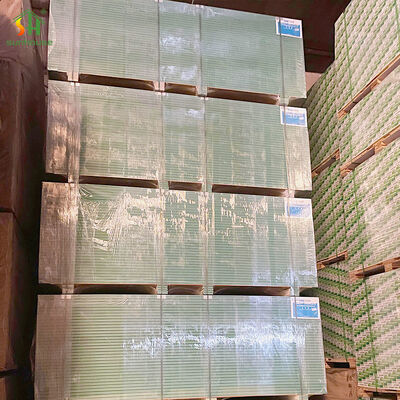
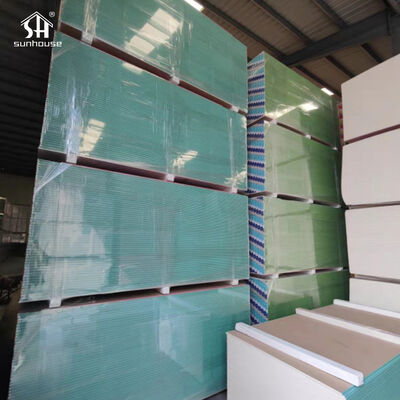
| Marchio: | SUNHOUSE |
| Numero di modello: | 1220x244m-12mm |
| MOQ: | 800 |
| Termini di pagamento: | L/C, T/T |
Il cartongesso resistente all'umidità è progettato per offrire prestazioni migliori rispetto al cartongesso standard in applicazioni interne umide adatte. Non è progettato per essere trasportato, scaricato o immagazzinato in condizioni di umidità. Gli acquirenti esportatori devono controllare la progettazione dei pallet, l'avvolgimento, le condizioni del contenitore, la condensa, il contenimento del carico, l'impilamento nel magazzino e l'ispezione dei danni dall'area di carico della fabbrica fino al piano di installazione finale.
Tavole, pallet in legno, protezioni dei bordi e materiali di imballaggio devono essere asciutti prima della chiusura della spedizione.
I pannelli devono essere impilati su supporti livellati e allineati che impediscano cedimenti, schiacciamenti dei bordi e carichi irregolari.
L'umidità dei container, gli sbalzi di temperatura e il pagliolo bagnato possono produrre una condensa dannosa durante il trasporto a lunga distanza.
I pannelli bagnati, macchiati, deformati o delaminati devono essere isolati e valutati prima dell'accettazione o dell'installazione.
Il trattamento resistente all'umidità riduce l'assorbimento d'acqua in condizioni di prodotto definite. Non autorizza l'esposizione alla pioggia, la spedizione in un contenitore che perde, il contatto con legname bagnato, lo stoccaggio all'aperto senza protezione o installazione mentre i pannelli rimangono umidi. L'umidità incontrollata può danneggiare i rivestimenti, ammorbidire i bordi, aumentare il peso del pannello, produrre distorsioni e creare condizioni favorevoli alla crescita di muffe.
Una tavola resistente all'umidità dovrebbe arrivare asciutta e intatta. Le parole resistente all'umidità, resistente all'acqua o resistente alla muffa non dovrebbero mai essere usate per giustificare il carico bagnato, l'esposizione alla pioggia, il contatto diretto con il pavimento o l'accettazione di pannelli interessati dalla condensa del contenitore.
L'imballaggio deve proteggere le superfici del cartone, i bordi rastremati, le estremità e gli angoli durante la movimentazione con carrello elevatore, la circolazione su strada, il trasporto marittimo e lo scarico. L'avvolgimento dovrebbe fornire un'utile protezione dall'umidità senza nascondere il materiale già bagnato.
I pallet devono rimanere stabili durante l'accelerazione, la frenata, il movimento della nave e la movimentazione del terminal. Il blocco, il rinforzo e la distribuzione del carico dovrebbero impedire lo scivolamento, l'inclinazione e l'impatto contro le porte o le pareti del container.
I viaggi lunghi possono esporre il contenitore a grandi sbalzi di temperatura. L'umidità trasportata dal carico, dai pallet di legname, dall'aria e dagli imballaggi può condensarsi sul tetto o sulle pareti e gocciolare sulle pile di assi.
Il magazzino di destinazione deve fornire un pavimento asciutto, supporti livellati, spazio sufficiente nei corridoi, controllo delle perdite dal tetto e una disposizione di stoccaggio che eviti pile irregolari o contatti ripetuti con i carrelli elevatori.
| Fonte di umidità | Come si verificano i danni | Possibili condizioni della scheda | Controllo richiesto |
|---|---|---|---|
| Pioggia durante il caricamento | I bordi esposti dei pannelli e le parti superiori dei pallet si bagnano prima che le porte dell'avvolgimento o del contenitore vengano chiuse. | Macchie, bordi smussati, aumento di peso e danni alla carta. | Caricare solo in un'area coperta e interrompere il caricamento durante la pioggia quando non è disponibile un'efficace protezione dagli agenti atmosferici. |
| Pallet o pagliolo bagnati | L'umidità si trasferisce dai supporti in legno ai pannelli inferiori o aumenta l'umidità all'interno del contenitore chiuso. | Macchie sul fondo, rigonfiamento dei bordi e rischio di muffe localizzate. | Utilizzare pallet, supporti e materiale di rinforzo asciutti e idonei. |
| Contenitore che perde | Pioggia o acqua di mare entrano attraverso i fori del tetto, guarnizioni danneggiate o guarnizioni delle porte difettose. | Aree umide concentrate, imballaggi crollati e distorsioni del cartone. | Ispezionare il tetto, le pareti laterali, le porte, le guarnizioni e il pavimento prima del carico. |
| Condensazione del contenitore | L'aria calda e umida raggiunge una superficie più fredda e forma goccioline sul tetto, sulle pareti o sugli imballaggi. | Segni d'acqua, bordi superiori umidi, muffe, etichette staccate e imballaggio esterno indebolito. | Controllare le fonti di umidità, le condizioni di carico, il pagliolo e il metodo di gestione della condensa selezionato. |
| Pavimento del magazzino bagnato | I pallet o le assi entrano in contatto con l'acqua di pulizia, il drenaggio del tetto o l'allagamento a livello del pavimento. | Strati inferiori bagnati e supporti dei pallet danneggiati. | Conservare sollevato dal pavimento su supporti piani in un'area asciutta. |
| Perdita dal tetto o dal tubo | L'acqua cade ripetutamente sullo stesso pallet o pila. | Grave ammollo localizzato, separazione e deformazione della carta. | Ispezionare i tetti e i servizi dei magazzini e isolare le scorte interessate. |
| Deposito all'aperto | Pioggia, vento, luce solare e umidità del terreno influiscono sul pacco. | Copertine strappate, condensa intrappolata, cedimenti e danni ai bordi. | Utilizzare lo stoccaggio al coperto quando possibile; applicare una protezione completa dalle intemperie quando lo stoccaggio temporaneo all'aperto è inevitabile. |
| Installazione in un edificio bagnato | L'umidità della costruzione, il cemento bagnato e la mancanza di ventilazione espongono i pannelli prima che l'edificio sia asciutto. | Deformazione, problemi di giunzione, rischio muffe e ritardo nella finitura. | Misure di recinzione e asciugatura complete prima dell'installazione. |
L'imballaggio dovrebbe essere progettato in base alle dimensioni della tavola, al peso del pallet, al metodo di carico, al percorso di trasporto, al numero di fasi di movimentazione e al clima di destinazione. Il seguente layout è un quadro generale di approvvigionamento piuttosto che un progetto di pallet universale.
L'esatto materiale del pallet, il numero di supporti, la posizione delle cinghie, il tipo di avvolgimento e il metodo di rinforzo devono essere progettati in base alle dimensioni del pannello, all'altezza della pila, al peso lordo del pallet e all'attrezzatura di movimentazione.
I pallet e i supporti in legno non devono introdurre umidità eccessiva nella pila avvolta o nel contenitore chiuso.
Tutti i supporti dovrebbero formare un piano piatto in modo che la pila di tavole non sia costretta a superare supporti irregolari.
Quando i pallet vengono impilati, i punti di supporto verticali devono essere allineati per trasferire i carichi anziché piegare le pile inferiori.
Le aperture delle forche devono adattarsi all'attrezzatura e consentire l'inserimento completo delle forche senza entrare in contatto con i bordi del pannello o con le lamiere inferiori.
I pallet devono supportare il peso lordo dichiarato durante il sollevamento, l'impilamento, le vibrazioni del trasporto e la movimentazione alla destinazione.
L'imballaggio dovrebbe ridurre il rischio che forche, regge o pallet adiacenti schiaccino direttamente bordi e angoli conici.
Gli imballaggi in legno devono soddisfare i requisiti fitosanitari e di marcatura applicabili della destinazione.
Un adeguato strato di separazione può ridurre il contatto con l'umidità del pallet, lo sporco, le schegge e l'abrasione localizzata.
Pile pesanti di tavole posizionate su supporti insufficienti o disallineati possono sviluppare onde, bordi rotti o deformazione del fondo. L’aumento dell’involucro di plastica non corregge una struttura del pallet inadeguata.
| Articolo di protezione | Funzione principale | Pratica errata | Requisito dell'acquirente |
|---|---|---|---|
| Protezioni angolari | Distribuire la pressione della cinghia e proteggere gli angoli della tavola. | Cinghie applicate direttamente sui bordi della tavola morbida. | Utilizzare protezioni con lunghezza e resistenza alla compressione sufficienti. |
| Protezione dal bordo lungo | Riduce lo schiacciamento dei bordi rastremati o squadrati durante la movimentazione. | I bordi esposti sfregano contro le pareti del contenitore o i pallet. | Proteggi i bordi critici preservando l'impilamento stabile. |
| Lenzuolo superiore o berretto | Protegge il pannello superiore da cinghie, sporco e piccole gocce. | Plastica sottile e sciolta posizionata direttamente su una pila irregolare. | Utilizzare una protezione superiore piatta compatibile con il sistema di avvolgimento. |
| Protezione inferiore | Separa i pannelli dalle superfici dei pallet e dalla contaminazione del pavimento. | Fondo appoggiato su legno umido, grezzo o macchiato. | Utilizzare supporti asciutti ed un adeguato strato di protezione del fondo. |
| Involucro protettivo | Riduce la polvere, gli schizzi e l'esposizione limitata all'umidità. | Avvolgere le tavole bagnate e intrappolare l'umidità all'interno. | Avvolgere solo materiale asciutto e definire la copertura superiore, laterale e inferiore. |
| Reggiatura | Mantiene l'integrità del pacco durante la movimentazione. | La tensione eccessiva della cinghia taglia le protezioni o le tavole. | Definire il numero della cinghia, la posizione, la tensione e il tipo di protezione. |
| Etichetta per pallet | Fornisce l'identificazione e la tracciabilità del prodotto. | Etichette nascoste, danneggiate o staccate dalla condensa. | Utilizzare etichette durevoli in luoghi accessibili e protetti. |
Un contenitore asciutto può comunque sviluppare condensa durante il trasporto. I cambiamenti di temperatura possono causare la condensa dell'umidità nell'aria, nel legname, nell'imballaggio o nel carico sulle superfici di acciaio più fredde. Le goccioline possono accumularsi sul tetto e cadere sugli strati superiori dei pallet.
L'umidità può provenire dall'aria di carico umida, dal legname bagnato, dagli imballaggi umidi, dal carico bagnato o dal caricamento durante la pioggia.
I cicli giorno-notte, i cambiamenti climatici e la posizione della nave possono riscaldare e raffreddare ripetutamente il contenitore.
L'aria umida che entra in contatto con la parete o il tetto più freddi del contenitore può rilasciare acqua sotto forma di condensa.
La condensa può accumularsi sul tetto, sulle pareti, sugli imballaggi o su altre superfici fredde.
Le goccioline possono macchiare i pannelli superiori, indebolire l'imballaggio, danneggiare le etichette o creare aree umide soggette a muffa.
Non posizionare pannelli recentemente bagnati, macchiati o visibilmente umidi all'interno di un imballaggio per l'esportazione sigillato.
I supporti in legno possono diventare una fonte significativa di umidità se caricati in uno stato umido o scarsamente condizionato.
Evitare che pioggia ed elevata umidità superficiale penetrino nel pacco durante il caricamento.
Un contenitore lavato di recente deve essere completamente asciutto prima che inizi il caricamento del cartongesso.
La quantità e il posizionamento dell'essiccante devono riflettere la durata del transito, il percorso, il volume del contenitore e il rischio di umidità.
Le coperture superiori, i rivestimenti o altre misure approvate possono ridurre il contatto diretto tra le goccioline e il carico.
I cartoni umidi e gli accessori di carta possono contribuire all'umidità e perdere resistenza durante il trasporto.
Fotografie e registrazioni ambientali aiutano a verificare che il carico e l'imballaggio fossero asciutti una volta caricati.
Gli assorbitori di umidità costituiscono un controllo supplementare. Non devono essere utilizzati per giustificare il caricamento di tavole bagnate, pallet bagnati o di un contenitore con guarnizioni difettose, buchi sul tetto o acqua stagnante.
| Caricamento articolo | Requisito principale | Potenziale fallimento | Controllo consigliato |
|---|---|---|---|
| Distribuzione del peso | Distribuire uniformemente il peso del carico sul pavimento del container. | Sovraccarico locale del pavimento o file di pallet instabili. | Preparare un layout del pallet utilizzando i pesi lordi effettivi. |
| Allineamento dei pallet | Mantenere le pile quadrate e parallele al contenitore. | Pallet inclinati e pressione di ritenuta non uniforme. | Controllare l'allineamento dopo ogni fase di caricamento. |
| Movimentazione carrelli elevatori | Inserire completamente le forche e sollevare il pallet in modo uniforme. | Assi del fondo rotti, bordi schiacciati o spaccatura del pallet. | Utilizzare forche di lunghezza adeguata e operatori addestrati. |
| Spazio laterale | Fornire spazio sufficiente per il caricamento senza movimenti incontrollati. | Abrasione dei bordi contro le pareti del contenitore ondulato. | Utilizzare una separazione protettiva e un bloccaggio appropriato. |
| Vincolo longitudinale | Evitare che i pallet si spostino verso le porte durante la frenata o il movimento della nave. | Pressione della porta, crollo del pallet e scarico non sicuro. | Utilizzare sistemi di bloccaggio, rinforzi, airbag o altri sistemi di ritenuta approvati. |
| Stabilità verticale | Mantenere le pile piatte ed evitare che si appoggino. | Ribaltamento del pallet o danni ai bordi del pannello. | Evitare pile alte e instabili e allineare i punti di supporto verticali. |
| Protezione dell'estremità della porta | Mantenere una distanza di sicurezza e un sistema di ritenuta alle porte del container. | Il carico cade o si spinge verso l'esterno quando le porte si aprono. | Installare un'adeguata barriera finale e aprire con cautela le porte a destinazione. |
| Carico misto | Separare i pannelli di gesso da merci bagnate, che perdono, taglienti o contaminanti. | Macchie, forature, contaminazione da odori e carico irregolare. | Approvare il piano completo di carico misto prima della spedizione. |
L'avvolgimento del pallet aiuta a mantenere l'integrità del pacco, ma non dovrebbe impedire lo spostamento di pesanti pile di cartoni all'interno del contenitore. Il bloccaggio e il rinforzo devono tenere conto della massa effettiva del carico e delle forze di trasporto.
| Condizioni di trasporto | Rischio principale | Priorità di protezione |
|---|---|---|
| Camion locale coperto | Frenate, vibrazioni, danni al carrello elevatore ed esposizione alla pioggia a breve termine. | Fissare i pallet, coprire il carico ed evitare di caricare pacchi danneggiati. |
| Carrello centinato | Entrata d'acqua attraverso le tende laterali e ritenuta insufficiente del carico. | Confermare le condizioni delle tende, l'asciuttezza del pavimento e i sistemi di ritenuta indipendenti. |
| Aprire il camion | Danni dovuti a pioggia diretta, luce solare, polvere e vento. | Evitare pannelli in cartongesso non protetti; utilizzare una protezione completa dalle intemperie. |
| Contenitore per spedizioni a secco | Condensa, transito lungo, movimentazione terminal e movimentazione merci. | Utilizzare imballaggi asciutti, ispezione del contenitore, controlli della condensa e rinforzi ingegnerizzati. |
| Trasporto ferroviario | Impatti ripetuti, vibrazioni e lunga esposizione all'interno. | Rafforzare il contenimento dei pallet e proteggere i bordi e gli angoli dei pannelli. |
| Traslochi ripetuti | Contatti multipli del carrello elevatore e apertura del pacco. | Utilizzare pallet durevoli, etichette trasparenti e procedure di movimentazione definite. |
Registrare ammaccature, fori, condizioni della guarnizione, numero del contenitore e qualsiasi segno di perdita d'acqua prima dell'apertura.
Il carico potrebbe essersi spostato verso le porte. Allontanatevi e controllate la prima porta durante l'apertura.
Controllare il tetto, le pareti, il pavimento, l'imballaggio e la parte superiore dei pallet per verificare la presenza di goccioline, macchie o aree umide.
Registrare le posizioni dei pallet, i rinforzi, gli involucri danneggiati, le pile inclinate e i segni d'acqua visibili.
Rilascia gli airbag, il legname e altri sistemi di ritenuta senza che le pile di tavole si muovano improvvisamente.
Abbina la lunghezza delle forche, la capacità e la direzione di ingresso al design del pallet.
Separare le confezioni bagnate, macchiate, schiacciate o deformate prima di spostare le scorte conformi in magazzino.
Registra quantità, codici lotto, condizioni, fotografie, risultati delle ispezioni e notifiche di reclami.
Conservare i pannelli su supporti piani in un edificio resistente alle intemperie e ventilato, con pavimento asciutto, drenaggio controllato del tetto e spazio sufficiente nel corridoio per una movimentazione sicura.
La permanenza a breve termine può essere accettabile laddove l'area è completamente coperta, asciutta e protetta dalla pioggia spinta dal vento, dall'acqua sul pavimento e dall'impatto dei veicoli.
Lo stoccaggio all'aperto dovrebbe essere evitato. Quando inevitabile, i pannelli richiedono un supporto a livello piano sopra il terreno e una protezione completa dalle intemperie e dalla luce solare senza intrappolare l’umidità esistente.
| Metodo di archiviazione | Posizione generale | Rischio principale | Pratica consigliata |
|---|---|---|---|
| Supporti piatti a livello | Metodo di stoccaggio preferito per pannelli in gesso a grandezza naturale. | Possono verificarsi cedimenti se i supporti non sono uniformi o posizionati in modo errato. | Mantenere i supporti livellati, asciutti e allineati verticalmente. |
| Appartamento Direttamente Al Piano | Non raccomandato. | Umidità del pavimento, sporco e danni al carrello elevatore. | Sollevare la catasta su supporti di livello adeguato. |
| Grande Pila Appoggiata Al Muro | Non sicuro e inadatto al normale stoccaggio in magazzino. | Ribaltamento, danni ai bordi e piegamento della tavola. | Riportare i pannelli in una pila orizzontale stabile. |
| Gestione di singoli fogli a breve termine | Può verificarsi durante il movimento manuale controllato. | Rottura dei bordi e caduta di fogli non sicuri. | Utilizzare personale addestrato e movimentare i teli con adeguato supporto. |
| Dimensioni pallet miste | Richiede un'attenta pianificazione. | Caricamento puntuale, sporgenza e impilamento instabile. | Non posizionare supporti più piccoli sotto pannelli più grandi non supportati. |
L'esposizione all'acqua deve essere valutata in base alla fonte, alla durata, all'area interessata e alle condizioni fisiche del pannello. L'asciugatura di un cartone non ripristina automaticamente la resistenza, le dimensioni, la giunzione della carta o le condizioni originali del prodotto approvate.
| Condizione osservata | Possibile causa | Azione consigliata |
|---|---|---|
| Lievi tracce di polvere sull'involucro intatto | Normale esposizione in magazzino o durante il trasporto. | Pulire e ispezionare la confezione prima dell'apertura. |
| Involucro strappato con tavole asciutte | Contatto o abrasione del carrello elevatore. | Ispezionare facce, bordi e angoli; riconfezionare se accettabile. |
| Danni agli angoli localizzati | Urto del pallet o pressione eccessiva della reggia. | Separare i fogli danneggiati e valutare le dimensioni utilizzabili. |
| Macchie d'acqua sulla confezione | Condensa, pioggia o perdite nel magazzino. | Aprire in condizioni controllate e ispezionare le superfici e i bordi del pannello prima dell'accettazione. |
| Pannelli superiori umidi | Condensa sul tetto del container o ingresso di acqua. | Isolare il pallet e ottenere una valutazione tecnica prima dell'installazione. |
| Pannelli con fondo bagnato | Pavimento bagnato, pallet umido o acqua stagnante. | Rimuovere dal supporto conforme e valutare tutti gli strati inferiori. |
| Bordi morbidi o gonfi | Esposizione prolungata all'umidità. | Rifiutare le sezioni o le schede interessate in base ai requisiti del progetto. |
| Delaminazione della carta | Esposizione all'acqua, scarsa adesione o bagnatura ripetuta. | Non installare i pannelli interessati. |
| Arco o onda permanente | Supporto irregolare, bagnatura o pressione eccessiva della pila. | Isolare e valutare; l'asciugatura potrebbe non rimuovere la deformazione permanente. |
| Muffa o odore visibile | Stoccaggio umido prolungato o contaminazione. | Isolarsi immediatamente e seguire le procedure di valutazione del progetto, della salute e del produttore. |
| Fonte d'acqua sconosciuta | Possibili perdite di acqua contaminata o di carico misto. | Non utilizzare finché non vengono confermate la fonte e le condizioni del prodotto. |
I pannelli possono asciugarsi dopo un incidente ma mantengono bordi morbidi, distorsioni, separazione della carta, macchie o prestazioni di fissaggio ridotte. La causa e l’entità dell’esposizione dovrebbero essere riviste prima che lo stock venga rilasciato per l’uso.
| Documento | Informazioni da includere | Scopo dell'acquisto |
|---|---|---|
| Lista imballaggio | Numeri di pallet, quantità di pannelli, dimensioni, spessore, peso netto e peso lordo. | Supporta il controllo del caricamento e la riconciliazione della destinazione. |
| Specifica del pallet | Dimensioni del pallet, disposizione dei portanti, materiale, capacità di carico e metodo di imballaggio. | Conferma il design di movimentazione e impilamento. |
| Certificato di prodotto | Standard di prodotto, classificazione, produttore e identificazione della spedizione. | Collega il materiale spedito con la documentazione tecnica approvata. |
| Registro dell'ispezione del lotto | Dimensioni, controlli fisici, condizioni di umidità e ispezione dell'imballaggio. | Dimostra la conformità prima della spedizione. |
| Registro di ispezione del contenitore | Numero del contenitore, condizioni, pulizia, secchezza e fotografie. | Registra la condizione prima del caricamento del carico. |
| Caricamento fotografie | Posizioni dei pallet, sistemi di ritenuta, essiccanti, area della porta finale e guarnizione. | Aiuta a risolvere i reclami relativi al trasporto e alla ricezione. |
| Registro degli imballaggi in legno | Informazioni sul trattamento e sulla marcatura applicabili. | Supporta i requisiti di importazione e quarantena della destinazione. |
| Istruzioni per la manipolazione | Stoccaggio piatto, metodo del carrello elevatore, protezione dagli agenti atmosferici e isolamento del pannello bagnato. | Riduce i danni durante la gestione della destinazione. |
Le prestazioni del prodotto vengono utilizzate in modo errato per giustificare il carico umido.
L'umidità rimane intrappolata all'interno della confezione sigillata.
I pallet aggiungono umidità e macchiano gli strati del pannello inferiore.
I buchi esistenti o le perdite precedenti rimangono da scoprire.
L'umidità residua del pavimento e delle pareti penetra nella spedizione sigillata.
Il carico bagnato e i contenitori difettosi non vengono corretti.
Una tensione eccessiva danneggia gli angoli e i bordi affusolati.
Cataste pesanti sviluppano onde e deformazione del fondo.
I pallet pesanti possono spostarsi verso le porte del container.
I bordi esposti si bagnano prima della chiusura delle porte.
Trasferimenti di umidità, perdite o contaminazione tra i prodotti.
I pallet spostati creano condizioni di scarico non sicure.
L'umidità del terreno e la pioggia influiscono sulle tavole inferiori.
Le tavole possono piegarsi, cadere o subire danni ai bordi.
L'entità del danno e l'entità della richiesta di risarcimento diventano difficili da verificare.
Morbidezza nascosta, deformazione o delaminazione entrano nel progetto.
I pannelli di cartongesso resistenti all'umidità devono essere forniti asciutti e integri, impilati su pallet di esportazione a livello asciutto con un adeguato supporto inferiore, protezione degli angoli e dei bordi, copertura superiore e laterale resistente all'umidità, reggette controllate, etichette di prodotti durevoli e lotti e blocchi e rinforzi adeguati all'interno di un contenitore di spedizione a tenuta stagna, pulito e asciutto. Pannelli bagnati, supporti in legno bagnato e pacchi esposti alla pioggia non devono essere caricati.
I pannelli di gesso devono essere scaricati utilizzando attrezzature idonee per carrelli elevatori, ispezionati prima dell'accettazione e immagazzinati su supporti piani all'interno di un edificio asciutto e resistente alle intemperie. I pannelli devono essere protetti da pioggia, acqua stagnante, luce solare diretta, perdite dal tetto, umidità del pavimento, urti, impilamento irregolare e carichi aerei non supportati.
No. La resistenza all'umidità non consente la spedizione bagnata. Tavole, pallet, paglioli e contenitori devono essere asciutti prima del carico.
No. L'avvolgimento è solo uno strato di protezione. Sono inoltre necessari il supporto del pallet, le condizioni del contenitore, il controllo della condensa e il contenimento del carico.
L'umidità all'interno del contenitore può condensarsi durante gli sbalzi di temperatura e gocciolare dal tetto o dalle pareti sui pacchi.
No. Possono ridurre il rischio se selezionati correttamente, ma non possono correggere il carico bagnato, i pallet bagnati, le forti fonti di umidità o un contenitore che perde.
Le pile di pannelli a grandezza naturale sono generalmente destinate ad essere immagazzinate piatte su supporti piani. Le pile inclinate possono piegarsi, cadere e danneggiare i bordi.
È preferibile lo stoccaggio al coperto. Lo stoccaggio temporaneo all'aperto richiede un supporto piatto fuori terra e una protezione completa dalle intemperie e dalla luce solare diretta.
Non automaticamente. Ispezionare morbidezza, rigonfiamento, distorsione, separazione della carta, muffa e perdita di integrità del prodotto. Seguire i requisiti del produttore e del progetto.
No. Il legname bagnato può trasferire umidità alle assi del fondo e aumentare l'umidità all'interno del contenitore chiuso.
No. Le cinghie eccessive o mal posizionate possono schiacciare i bordi del pannello. La quantità, la tensione e la protezione della reggia devono corrispondere al design del pallet.
La pellicola estensibile aiuta a mantenere l'integrità del pacco ma non sostituisce il bloccaggio, il rinforzo o altri sistemi di trattenimento del carico.
Prima dell'accettazione, controllare l'esterno del container, le guarnizioni delle porte, la posizione del carico, la condensa sul tetto, l'imballaggio, le condizioni del pallet, le tracce d'acqua, i danni al cartone e le quantità del lotto.
Confermare la struttura del pallet, l'imballaggio asciutto, la protezione dei bordi, l'avvolgimento, la reggiatura, l'ispezione del contenitore, i controlli della condensa, il contenimento del carico, lo stoccaggio a destinazione e le procedure di reclamo del pannello bagnato.
Fornire le dimensioni della tavola, la quantità di pallet, il peso lordo, il metodo di carico, il percorso di spedizione, il clima di destinazione, il tipo di contenitore, le condizioni di magazzino e la quantità del progetto. L'imballaggio per l'esportazione, il controllo della condensa e il piano di carico possono quindi essere esaminati prima della spedizione.
 english
 français
 Deutsch
 Italiano
 Русский
 Español
 português
 Nederlandse
 ελληνικά
 日本語
日本語
 한국
한국
 العربية
 हिन्दी
 Türkçe
 indonesia
 tiếng Việt
 ไทย
ไทย
 বাংলা
বাংলা
 فارسی
فارسی
 polski